
The worldwide online pharmacy and medication delivery market has seen large growth in recent years, with consumer preferences favouring convenience and accessibility. With the medication delivery market size projected to grow to $6.6 billion CAD by 2032 and shifts in the prescription delivery market changing priorities and associated risks, safe medication delivery services have been more important than ever for healthcare businesses in Canada. Health Canada has put forth a plan to mitigate growing healthcare shortages for 2024-2028, emphasizing the need to prioritize healthcare equity and accessible care, placing businesses providing medication delivery in a crucial role. As well, the popularity of online pharmacy orders, a growing aging population, and rising global temperatures complicating temperature control all contribute to an undeniable need for reliable and compliant prescription delivery.
To boost their resiliency and agility, your business must leverage strategies paired with the right expertise in pharmaceutical delivery. With effective medication delivery and a trusted logistics partner, your healthcare business can see impacts on its overall success, including improved customer care, added efficiency, and heightened reputation. Learn how to mail prescription medication Canada, including how to ship nutraceuticals like cannabis, building a reverse logistics strategy, and best practices for a safe prescription delivery service.
Key takeaways
- Can you send medicine in the mail?
- What medication can be shipped in Canada?
- Who can deliver prescriptions?
- What factors impact prescription delivery?
- How to ship medication in Canada
- How to ship medical cannabis
- 8 Best Practices for a Safe Prescription Delivery Service
- Choosing an All-In-One Logistics Partner for Healthcare Shipping
Can you send medicine in the mail?
Yes, you can ship prescription drugs in Canada as long as you are one of the following, as noted by Government of Canada Food and Drug Regulations, Section C.01.045:
- A practitioner (refers to medical doctors, veterinarians, dentists and occasionally nurse practitioners, podiatrists, and midwives)
- A drug manufacturer
- A wholesale druggist
- A pharmacist
- A resident of a foreign country while a visitor in Canada.
If you fall under one of these categories, you can only mail pharmaceutical drugs under specific circumstances and must comply with regulations and restrictions as set out by the Controlled Drugs and Substances Act (CDSA), and Food and Drugs Act. For medicinal cannabis, please refer to the Cannabis Act and Regulations.
Who can deliver prescriptions? Delivery providers of all sizes can deliver prescription medication in Canada, as long as they’re compliant. It’s important to choose a provider that has the experience and services to safely deliver your prescriptions.
What medication can be shipped in Canada?
In Canada, you can ship over-the-counter medication, prescription drugs, clinical trial materials, cannabis, nutraceuticals, and biologics such as vaccines, gene therapies, and blood products. To determine if your specific medication can be shipped, refer to the full prescription drug lists as established and regularly updated by the Government of Canada’s Minister of Health:
More details about packaging and transit compliance can be found on the government of Canada website.
Expanding into the natural health product market? Learn more about delivering nutraceuticals in Canada here.
Who can deliver prescriptions?
Delivery providers of all sizes can deliver prescription medication in Canada, as long as they’re compliant.
Prescription deliveries require more expertise than other deliveries because of their strict requirements and adherence to regulations, confidentiality, product integrity, environmental control, and patient safety.
Prescriptions in transit are more susceptible to theft due to their high resale value on the black market. An incident during its transport can damage package integrity, or cause late/missed deliveries, resulting in missed doses, which can have a waterfall effect on the trust and reputation of your business.
It’s important to choose a provider that has the experience and services to safely deliver your prescriptions, like Purolator. Our acquisition of Williams Pharmlogistics has elevated our temperature-controlled door-to-door network. Purolator is trusted and recognized for our high track record for loss prevention and our robust standards and compliance, which include TAPA certification, ASR and COS services, GUI-0069 compliance
What factors impact prescription delivery?
Safe prescription delivery is paramount in maintaining the efficacy and potency of medication, supporting ample patient care and safety, customer satisfaction, speed, and overall compliance. Medication can even become dangerous if impacted by external conditions. Here are the key factors that can impact the security of your medication shipment:
- Internal temperature. Variance within the temperature threshold for safe storage can degrade active ingredients and impact effectiveness, and in some cases increase toxicity.
- Vibrations. Vibration levels can cause damage, chemical instability, and disrupt particle size and suspension which can lead to incorrect dosage and impact bioavailability.
- Humidity Levels. Excessive moisture can impact efficacy and potency. This is important for medication in liquid or aerosol form, which is especially susceptible.
- Shock. Excessive shock can decrease efficacy and integrity and cause harmful drug reactions and flare ups of the condition being treated. This is crucial for protein-based medication.
- Light. Exposure to light can affect drug stability and cause photodegradation, which may render the medication ineffective or unsafe.
To safeguard your delivery, prioritize pharmaceutical logistics services with partners like Purolator, with expertise in Canadian regulation compliance and a strong reputation of delivering for some of Canada’s top medical and pharmaceutical suppliers and distributors. Here’s what to look for:
- Visibility on product shipment. Shipment monitoring through GPS tracking and sensors, location transparency, RFID (radio frequency identification data) for real-time temperature and humidity control and threat mitigation, and sensor-based monitoring systems that provide visibility to supply chain and its integrity.
- Chain of signature. Strict accountability for all touch points including chain of signature that verifies thorough and complete oversight by authorized employees trained in Health Canada regulations until sign-off at its final destination.
- Expertise in temperature control. Vigilance over temperature control through methods such as dry ice, gel packs, and reefers (thermostat-controlled refrigerated containers).
Download our whitepaper to learn more about services and solutions for healthcare logistics.
How to ship medication in Canada
1. Understand federal and provincial regulations for pharmaceutical shipping
Familiarize yourself with both provincial and federal regulations, so when you select your shipping logistics partner you can be assured that they have the facilities, processes, and services for controlled and uncompromised delivery of pharmaceuticals. With the complex nature of pharmaceutical shipping, a knowledgeable shipping provider like Purolator can help you navigate compliance requirements and border crossings with ease, ensuring your supply chain, medication integrity, and brand reputation remain intact.
Federal regulations
Canadian federal pharmaceutical transportation regulations including the storage of prescription or OTC (over-the-counter) drugs cover the following as necessary for your entire supply chain of your pharmaceuticals.
- 5.1 Warehousing and storage. Maintenance of conditions as dictated by labels. All storage procedures must be documented, and personnel must be trained. Mean Kinetic Temperature (MKT) monitoring may be used.
- 5.2 Product transportation. Environmental conditions must be met through entire product transit (unless justified by QRM principles or other information). Drug transport should follow written procedure. Contingency plans should be established.
- 5.3 Containers and container labelling. All necessary labels regarding transport, storage conditions or warnings should be applied to packaging in a language understandable by all handlers. Shipping containers must meet temperature specifications.
- 5.4 Receiving. Separate receiving and storage areas and follow procedures for shipment arrival, including prompt transport to temperature control storage, protection from poor weather, and the appropriate process for any damaged or deviated shipments.
- 5.5 Documentation. All parties involved in transport or storage of drugs must have a written agreement outlining conditions and procedures. Requirements for record retention can be found in Good Manufacturing Practices (GMP) Guidelines for Active Pharmaceutical Ingredients (API) – (GUI-0104 ).
For full details and information please see Health Canada’s Guidelines for environmental control of drugs during storage and transportation (GUI-0069).
Provincial Regulations
You will also need to comply with provincial regulations and policies. Refer to your provincial governing body for the most accurate information. For example, in Ontario you will need to follow the provincial legislative requirements for the Delivery of Prescriptions.
The importance of regulatory expertise
Unlawful prescription shipment can result in legal repercussions such as the revocation of certificates and other disciplinary measures, business closure, and more. To avoid any missteps that can cause additional harm to your pharmaceutical business, use an experienced, trusted logistics partner, like Purolator, so your business has support in maintaining regulatory compliance.
2. Include required documentation and paperwork
Complete delivery-related documentation, which will vary depending on your shipment’s origin and your commercial purpose, such as if you are an independent contractor and direct seller or intend to use the medication for a clinical trial.
Your shipment may require the following:
- Drug Identification Number (DIN) or Natural Product Number (NPN)
- Invoices and customs documents that verify authorized or licensed suppliers and importers
- Prescription details including copy of prescription and importer information
- Appropriate licenses such as Establishment License or No Objection Letter.
- Dangerous Goods shipping document as needed
- Tariff classification
- Relevant taxes and duties
Refer to your shipping logistics partner to confirm what is required for your specific shipment. For more information see Health Canada’s Importing and exporting health products for commercial use (GUI-0117)
3. Identify any specific environmental factors or special considerations
Your product label will specify the conditions necessary for storage and transport including temperature and physical environment factors depending on its classification (e.g. if it is a controlled substance or high alert substance). As mentioned, temperature control is especially important for pharmaceuticals and comes with specific regulations and requirements for refrigeration, time out of refrigeration, and transport. Ensure you have a firm understanding of the temperature thresholds for your medication category.
International Storage and Shipping Requirements for Pharmaceuticals
|
Category |
International Storage and Shipping Requirements |
|
Frozen |
Between -25°C and -10°C |
|
Cold |
No more than 8°C |
|
Cool |
Between 8°C and 15°C |
|
Temperature-controlled |
Between 20°C and 25°C (thermostatically-controlled) |
|
Room temperature |
Dependant on working area, not thermostatically controlled |
|
Warm |
Between 30°C and 40°C |
|
Excessive heat |
40°C+ |
Modified from Protecting the Cold Chain
4. Use proper packaging and labelling
Selecting packaging
Protect products from damage and changes in required conditions with a protective layer of insulated packaging, which can also assist in temperature control. Use inconspicuous packaging to deter theft. Use corrugated boxes, temperature-controlled shipping boxes as needed, and cushioning material, as well as taping strategies to maximize protection such as the H-taping method. Learn more in Purolator’s Guide to Proper Packaging.
Labelling pharmaceutical shipments
Make sure your labels adhere to federal and provincial requirements including:
- Correct formatting
- Font and style readability
- No misprints and grammatical errors
- Understandable abbreviations (otherwise, clearly define abbreviation in full)
- Dangerous Goods (DG) and Safe and Secure Handling of Medicines (SHS) sticker requirements such as if it contains liquids, must remain upright, cold temperature requirements, fragility etc.
All necessary labels for transportation, storage conditions such as temperature, or other warnings are clearly visible. Legibility should not be affected by packaging such as the use of reflective material. Apply labels on the shipping container in indelible ink in relevant language(s) for transit. Critical product information should appear on a minimum of three non-opposing sides of the package.
For detailed guidance labelling pharmaceuticals in Canada, refer to Health Canada’s Good Label and Package Practices Guide for Prescription Drugs.
5. Select your delivery service
Identify the specific requirements of your prescription shipment and select the right delivery service. This can include:
- Minimal hand-offs and touch points
- Healthcare validated temperature control
- Express weekend courier services
- Special handling for oversized and dangerous goods
Ensure you select a shipping logistics partner like Purolator that can provide a variety of services for your specific prescription delivery with trusted expertise in this field. For example, gender-affirming hormone therapy (e.g. testosterone) is a controlled substance in Canada and requires specific shipping arrangements, such as Purolator’s Next Day and Express shipping, discrete packaging solutions, and protection from heat and freezing services.
6. Create a pharmaceutical shipment workflow to reflect delivery considerations
Establish processes into your workflow to support prescription delivery. This can include:
- Identification of prescriptions to be shipped
- Clear visibility for delivery times or mail order cut-off times
- Processes for notifying patients and customers of unforeseen delays
- Designating an employee to pack and label shipments
Once you have created standard procedures, make sure all personnel are fully trained.
How to ship medical cannabis
Since its legalization in 2018, cannabis has grown in popularity in Canada, with the 1.08 million shipments of medical cannabis from federal license holders reported in 2023 alone. Here are the key steps to shipping cannabis in Canada.
- Understand regulations and licenses. For more information on rules and standards, refer to Health Canada’s page on the Cannabis Act and information designated by your province or territory.
- Adhere to shipping limits. Depending on the product type, you will be restricted on the volume of cannabis that can be shipped. For example, medical cannabis has a shipping limit of 30 times the daily prescription.
- Meet packaging and labelling requirements. This includes child-resistant packaging, excise stamps, odourless containers or bags, security features to prevent tampering, and unmarked shipment packaging.
- Select your shipping service. Look for a logistics provider with experience delivering natural health products. Leverage personalized delivery features such as customer and end-receipt tracking and notification tools like Purolator Your Way and Purolator Vision that boost your customers’ trust and brand loyalty.
For more information on regulations and tips for shipping prescriptions like cannabis, read our guide on what you need to know about shipping prescriptions in Canada.
Reverse logistics for returning medication in Canada
Reverse logistics is a key part of sustainability in the healthcare industry, especially in light of product recalls, clinical trial recovery, and safe disposal that minimizes environmental impact.
Pharmaceuticals account for 25% of healthcare emissions in Canada. As stewards of health and well-being, healthcare companies have a well-positioned role in reducing their environmental impact and championing environmental protection, especially in light of Canada’s formal commitment to climate-resilient and sustainable health systems via the United Nations Framework Convention on Climate Change Conference.
Reverse logistics are especially complex because of added regulations regarding transport and temperature control, disposal as well as safe handling and storage. Heighten your reverse logistics strategy with easy to set-up services like Purolator’s Healthcare Returns Process that adds benefits to your business such as:
- Improved rate of pack-out return
- Reduced costs and improved efficiency
- Improved customer experience
- Additional reuse opportunities
- Progressing your business’s sustainability targets

8 Best Practices for a Safe Prescription Delivery Service
1. Work with a shipping partner experienced in compliant prescription delivery
There are many regulations that must be met for prescription deliveries, which can vary province-by-province. Here are a few examples of regulations that are applicable in Ontario:
- Delivery must be tracked, confirming when it’s in transit and delivered to the patient.
- A waiver can’t be signed in advance to be delivered to a mailbox or locker. It must be signed for in-person and by a legal adult. Provinces across Canada have different legal age requirements, so it’s best to confirm the provincial requirements prior to shipping.
- To help navigate regulations, work with a reputable shipping provider with expertise in healthcare validated temperature controlled delivery and regulatory compliance with full support and services that grow your business.
2. Improve patient accessibility with a delivery partner with a vast and speedy network across Canada
An increasing number of patients prefer to receive medication directly to their home address within a few days, rather than going to the pharmacy. This trend is in part due to the rise in virtual healthcare services as a result of the COVID-19 pandemic. The popularity of prescription delivery is expected to continue to grow in coming years, especially in light of the surge in chronic illnesses as noted by the World Health Organization. For businesses, this means a higher volume of drop-offs in addition to delivery hospitals and pharmacies.
Leverage the best coverage and speed for last-mile deliveries by working with a delivery partner with a wide network for pharmaceuticals, like Purolator, to meet the needs of all customers you serve. Not only does this increase accessibility and convenience for those in remote and underserved areas, it also promotes health equity and helps future-proof your business to meet growing demand.
3. Use a delivery partner with expertise in healthcare validated temperature control
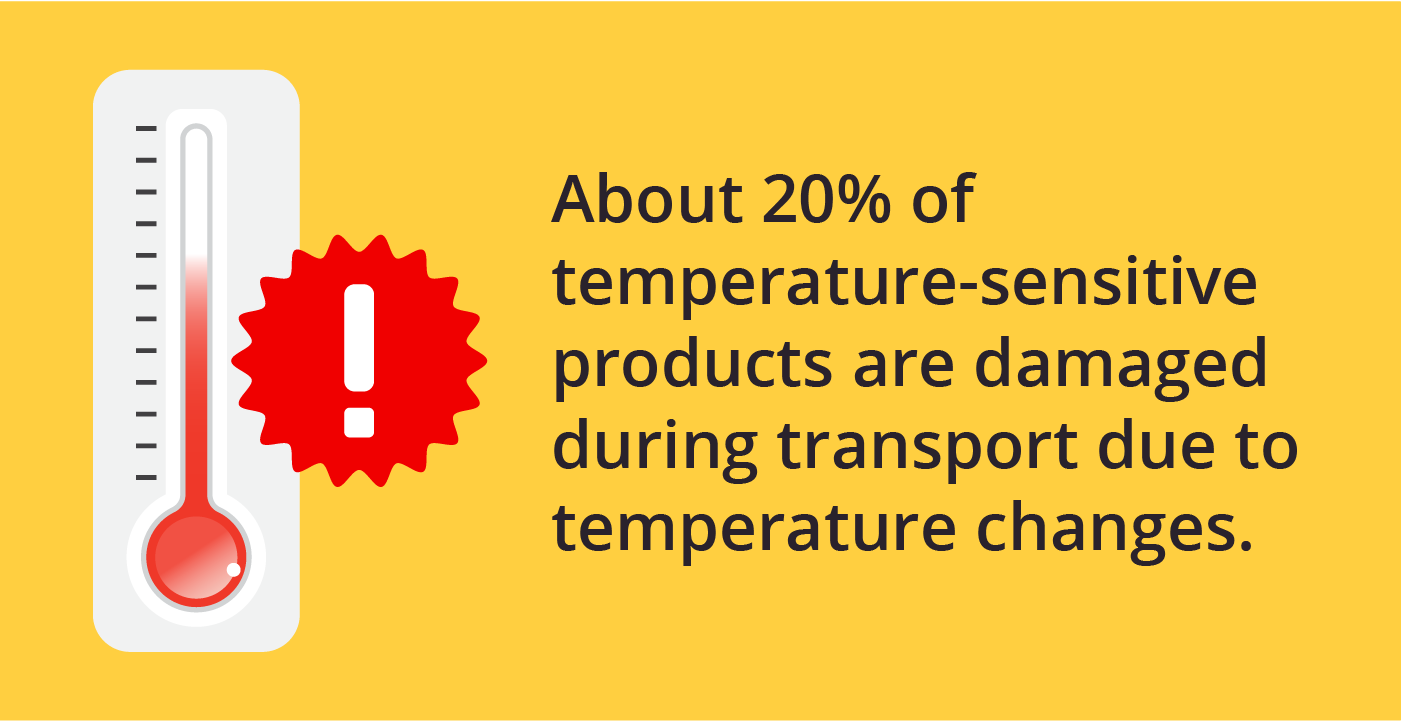
Deviance from necessary temperature conditions in storage and transport can impact efficacy, safety, and quality of medication which affects your overall business costs and customer relationships. Temperature regulation can be handled by managing either the:
- Active environment. Such as the use of a refrigerated truck to maintain a specific temperature.
- Passive environment. Such as an insulated container that maintains a consistent environment for individual packages.
To ensure your prescriptions are delivered correctly, use a delivery provider like Purolator with trusted experience in healthcare validated temperature transport, control, and packaging. Purolator offers validated temperature controlled shipping methods through Williams Pharmalogistics that help maintain the integrity and regulatory compliance required for pharmaceutical delivery as outlined by Food and Drugs Act and Regulations, Health Canada guidelines, and provincial policies.
4. Ensure your prescription packaging and labelling meets regulatory standards
Prescription packaging is highly regulated to maintain the safety of the medication and anyone handling it. Packaging requires specific information on all labels and inserts. For example, warnings such as “time and temperature-sensitive” or “do not freeze” should be visible on the exterior of the box, with specific requirements for certain prescription categories. Packaging must also be tamper-evident with the option of blister packs, arthritic caps or child-resistant lids.
Improper packaging and labelling will result in delays with undelivered shipments impacting business operations, patient care, and the quality and safety of medication. With the right delivery partner, you can be assured that all packages meet regulatory standards, so you never have to worry.
5. Use nondescript outer packing to deter theft.
Some medicines can be susceptible to theft due to their lucrative street value, lack of easy accessibility and addictive ingredients. To deter theft, prescription packaging should be plain and non-branded so there are indications of its contents. Consider all five senses when protecting medications. For example, use bubble wrap or other “sound-proofing” protection for medications that rattle and use smell-proof bags if the product has a distinguishable smell.
6. Protect against environmental conditions and physical damage
Both the inner and outer prescription packaging should protect against physical damage during transit. This includes external movements such as shock, vibrations and wear and tear. Packaging should also shield contents from factors such as temperature changes, humidity and light – particularly for medications that require certain conditions. Using materials that are opaque, insulating and water-resistant can help to keep the internal environment stable.
7. Boost convenience and compliance with end-to-end tracking and virtual signatures
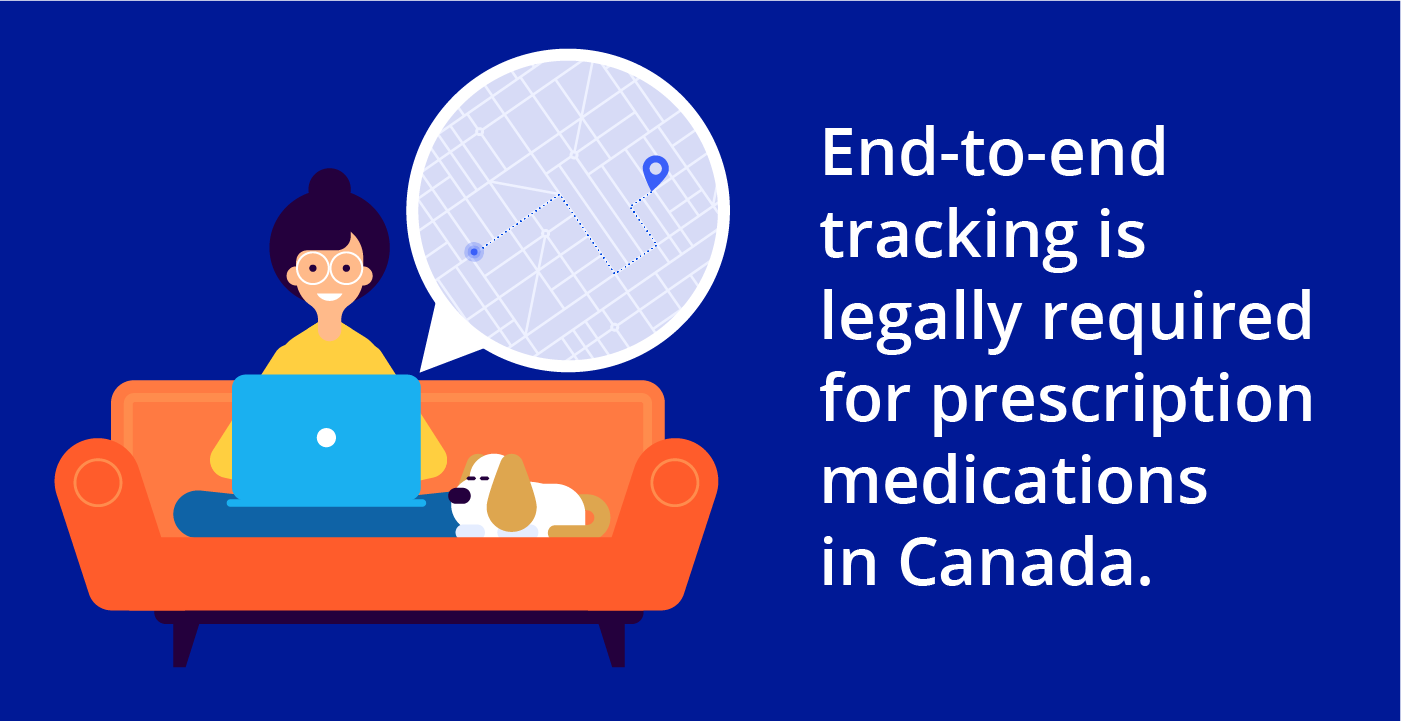
End-to-end tracking is legally required for prescription medications in Canada to ensure the patient and sender know when the medication should be delivered. Tracking should include when the medication is in transit, and when it is delivered. End-to-end tracking is also essential for adhering to any provincial regulations, which vary from province to province. For example, in Ontario all prescription shipments must be traceable and auditable.
While prescription drugs must be signed for in person for legal reasons, businesses can also give customers the option to virtually sign for a package that isn’t a prescription or leverage remote signature release through services like Purolator’s Your Way, so it can be left at its destination without needing a signature. Purolator’s personalized services provide full visibility and customized delivery options for your recipients, you’re adding convenience that your customers will remember, bringing consistency to your customer experience that improves brand affinity.
8. Offer a variety of delivery services that meet the needs of your recipient
Prescription delivery promotes equitable healthcare access and patients deserve reasonable accommodation, so it’s important to work with a shipping partner with a full service of delivery options so you can truly provide prescription delivery convenience.
For example, Purolator provides an exclusive H+ system, which ensures all healthcare shipments have maximum priority movement with visual identifiers and embedded identifiers in barcodes that ensure your shipments get to their destination exactly when they’re needed.
Here are some of additional solutions to look for when choosing the right delivery provider for your prescription deliveries:
- Variety of pick-up options and drop-off locations, including home addresses and pharmacies
- Urgent shipments and other time-sensitive options for total convenience
- Adult signature required for the safety of minors
Choosing an All-In-One Logistics Partner for Healthcare Shipping
By following these tips and leveraging an all-in-one healthcare logistics provider, you can be assured you are providing reliable prescription delivery that meets your patient’s needs, improves healthcare equity and access, and strengthens your business’s resiliency for the future.
Enhance your pharmaceutical delivery with an all-in-one provider like Purolator. Recognized for innovative solutions, quality services and equipment, speed and leading expertise in healthcare delivery, Purolator supplies healthcare businesses with premium courier and freight services from production to final destination such as:
- Signature solutions. Full visibility through transparent end-to-end tracking and regulatory compliance with a suite of services including Adult Signature Required and Chain of Signature.
- Time-definite delivery. 24/7 care and delivery options for sensitive and critical shipments including delivery to all of Canada’s hospitals, with industry-recognized express domestic shipment times faster than Fedex and UPS, inclusive of rural areas.
- Full national coverage and international reach. 100% Canadian postal code coverage and US/International shipping with fewer hand-offs translating to lower risk of damage and theft, paired with expertise in validated healthcare temperature control, GMP/GUI-0069 compliance,
- Digital Healthcare Indicator. Purolator’s exclusive solution that digitizes all shipments and maintains consistent priority with full visibility from point A to B.
- Flexible delivery solutions. Prioritized flexibility and safety including inside deliveries, route optimization, and special handling services such as added security for high-cost specialty medications.
- Expertise in dangerous goods. Industry leader for dangerous goods transport via air and ground with air service managed at 2-25°C.
- High quality service and equipment. Through Williams Pharmalogistics, Purolator offers real-time temperature and GPS monitoring 24/7 with temperature mapped and monitored facilities and vehicles with strict environmental control compliant with GUI-0069.
As a pharmaceutical business, you play a crucial role in the healthcare industry and your patients’ well-being. With the right expertise at your side, you can ensure the safe and speedy delivery of your products right when they’re needed, with the services, network, and knowledge that grow your reputation and business.